 By Siam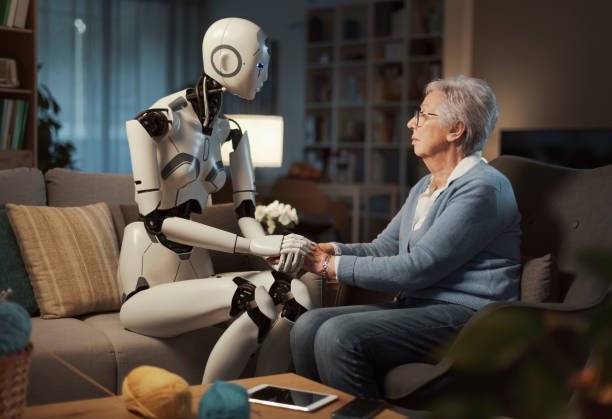
Artificial Intelligence (AI) is no longer a futuristic concept confined to science fiction movies or high-tech research labs. It has quietly and rapidly embedded itself into our daily routines—often in ways we barely notice. From the recommendations we see on streaming platforms to the navigation apps that guide our commutes, AI is already shaping how we live, work, and interact with the world. As technology continues to evolve, the role of AI in everyday life is expected to deepen even further, raising both exciting possibilities and important questions.
This article explores how artificial intelligence is influencing key areas of daily life today, where it is headed in the near future, and what challenges and responsibilities come along with its growth.
At its core, artificial intelligence refers to computer systems designed to perform tasks that normally require human intelligence. These tasks include learning from data, recognizing patterns, understanding natural language, making decisions, and even perceiving emotions or images.
AI can be broadly categorized into two types. Narrow AI, which is the most common today, is designed to perform specific tasks—such as voice assistants or image recognition software. General AI, which would possess human-like reasoning and adaptability across multiple domains, remains largely theoretical.
Despite being “narrow,” today’s AI systems are incredibly powerful, and their capabilities are expanding at a rapid pace.
One of the most visible ways AI has entered everyday life is through smart home technology. Devices such as smart speakers, thermostats, lighting systems, and security cameras rely heavily on AI algorithms.
Voice assistants like Alexa, Google Assistant, and Siri can now understand complex commands, learn user preferences, and integrate multiple devices into a seamless home ecosystem. Smart thermostats analyze usage patterns to optimize energy consumption, saving both money and resources.
In the future, homes may become even more intuitive—anticipating needs before they are explicitly expressed. Imagine a house that adjusts lighting based on your mood, orders groceries when supplies run low, or alerts you to potential health concerns based on daily behavior patterns.
Healthcare is one of the most promising areas for artificial intelligence. AI systems are already being used to analyze medical images, detect diseases earlier, and assist doctors in diagnosing complex conditions.
Machine learning algorithms can process vast amounts of medical data far faster than humans, identifying patterns that might otherwise go unnoticed. For example, AI has shown remarkable accuracy in detecting early signs of cancer, heart disease, and neurological disorders.
Wearable devices and health apps powered by AI can monitor vital signs in real time, offering personalized health insights and early warnings. In the future, AI-driven personalized medicine could tailor treatments to an individual’s genetic makeup, lifestyle, and medical history, significantly improving outcomes.
However, this progress also raises concerns about data privacy, security, and the ethical use of sensitive health information—issues that must be addressed alongside innovation.
Artificial intelligence is reshaping education by making learning more personalized, accessible, and efficient. AI-powered platforms can adapt to a student’s learning style, pace, and strengths, offering customized content and feedback.
Virtual tutors and chatbots can provide instant assistance, helping students understand difficult concepts outside of traditional classroom hours. Teachers, in turn, can use AI tools to automate administrative tasks like grading, allowing them to focus more on teaching and mentorship.
In the future, AI could help bridge educational gaps by providing high-quality learning resources to underserved communities worldwide. At the same time, educators must ensure that technology enhances human learning rather than replacing critical human interaction and creativity.
One of the most debated aspects of AI is its impact on jobs and the workforce. Automation driven by AI has already transformed industries such as manufacturing, logistics, customer service, and finance.
While some jobs may be displaced, AI is also creating new roles that did not exist before—such as data scientists, AI ethicists, and machine learning engineers. Moreover, AI can augment human work by handling repetitive tasks, allowing people to focus on strategic, creative, and interpersonal responsibilities.
The future of work will likely involve close collaboration between humans and AI systems. Lifelong learning, adaptability, and digital skills will become increasingly important as job roles evolve.
Transportation is another field undergoing rapid transformation thanks to AI. Navigation apps use AI to predict traffic patterns, suggest optimal routes, and reduce travel time. Ride-sharing platforms rely on AI to match drivers and passengers efficiently.
Autonomous vehicles represent the next major leap. Self-driving cars use AI to interpret sensor data, recognize obstacles, and make split-second decisions. While fully autonomous transportation is still in development, semi-autonomous features are already improving safety and convenience.
In the long term, AI-driven transportation could reduce accidents, lower emissions, and reshape urban planning by minimizing the need for personal car ownership.
AI plays a significant role in shaping what we watch, read, and listen to. Streaming platforms use recommendation algorithms to suggest movies, music, and shows tailored to individual preferences.
In content creation, AI tools can generate music, art, and even written text, blurring the line between human and machine creativity. While this opens up new possibilities for artists and creators, it also raises questions about originality, copyright, and the value of human expression.
Future entertainment experiences may become fully immersive and interactive, adapting in real time to user reactions and emotions.
As AI becomes more integrated into everyday life, ethical considerations grow increasingly important. Issues such as data privacy, algorithmic bias, transparency, and accountability cannot be ignored.
AI systems are only as good as the data they are trained on. If that data contains biases, the AI may unintentionally reinforce social inequalities. Ensuring fairness and inclusivity in AI design is a critical challenge.
There is also the question of decision-making power. When AI systems influence important areas like healthcare, finance, or law enforcement, clear guidelines and human oversight are essential to maintain trust and responsibility.
Rather than replacing humans, the most powerful vision for AI is one of collaboration. AI excels at processing data and recognizing patterns, while humans bring empathy, creativity, moral judgment, and context.
The future will likely depend on how well society balances technological advancement with human values. Education, regulation, and public awareness will play key roles in shaping a future where AI serves humanity rather than controls it.
Artificial intelligence is already woven into the fabric of everyday life, and its influence will only continue to grow. From smarter homes and personalized healthcare to transformed workplaces and new forms of entertainment, AI offers immense potential to improve quality of life.
At the same time, its rapid advancement demands careful consideration of ethical, social, and economic impacts. By approaching AI development thoughtfully and responsibly, society can harness its benefits while minimizing risks.
The future of AI is not just about smarter machines—it is about how humans choose to use them. If guided by wisdom, empathy, and collaboration, artificial intelligence can become one of the most powerful tools for progress in human history.