 By Siam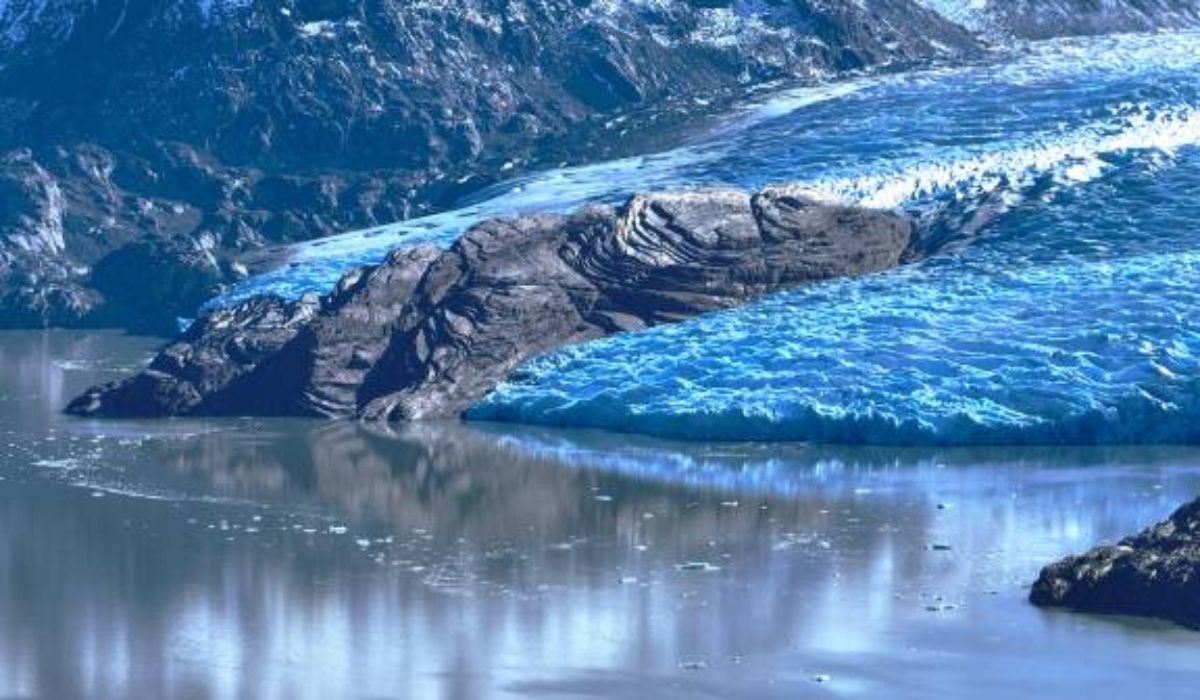
Glaciers are among the most powerful and sensitive natural systems on Earth. These massive rivers of ice shape landscapes, store freshwater, and act as natural indicators of climate change. However, glaciers do not exist independently—they depend heavily on specific environmental and climatic conditions. Temperature, snowfall, altitude, and seasonal balance all play crucial roles in the formation and survival of glaciers. As global climate patterns shift, glaciers around the world are responding rapidly, making it essential to understand what glaciers depend on and why they are disappearing at an alarming rate.
A glacier is a large, slow-moving mass of ice formed from compacted layers of snow over many years. Unlike seasonal snow, glaciers persist year-round and can last for centuries or even thousands of years. They are commonly found in polar regions such as Antarctica and Greenland, as well as in high mountain ranges like the Himalayas, Alps, Andes, and Rockies.
Glaciers form when the amount of snow that falls in winter exceeds the amount of ice that melts during summer. Over time, the accumulated snow compresses into dense ice, creating a glacier that flows under its own weight.
Temperature is the most critical factor affecting glaciers. For a glacier to form and survive, average temperatures must remain low enough to prevent excessive melting. Even small increases in temperature can have dramatic effects on glacier mass.
In colder climates, snowfall accumulates and remains frozen throughout the year. However, when temperatures rise above freezing for extended periods, melting accelerates. This melting reduces the glacier’s size, thickness, and overall stability. Many glaciers today are retreating because rising global temperatures are disrupting the delicate balance between accumulation and melting.
Glaciers depend not only on cold temperatures but also on consistent snowfall. Snowfall acts as the primary source of glacier growth. Each winter, new layers of snow add mass to the glacier, which eventually turns into ice through compaction.
If snowfall decreases due to changes in weather patterns, glaciers cannot replenish the ice lost during warmer months. In some regions, climate change is causing precipitation to fall as rain instead of snow, even in traditionally cold areas. Rain accelerates melting rather than contributing to glacier growth, further threatening glacier survival.
Altitude and latitude strongly influence where glaciers can exist. High-altitude regions have lower temperatures, allowing glaciers to survive even near the equator. For example, glaciers are found on Mount Kilimanjaro in Africa due to its extreme elevation.
Similarly, high-latitude regions near the poles receive less direct sunlight, keeping temperatures low enough for glaciers to form and persist. As temperatures rise globally, the minimum altitude required for glaciers to survive is increasing, forcing glaciers to retreat upward or disappear entirely.
Glaciers depend on a balance between accumulation (snowfall and ice gain) and ablation (melting, evaporation, and ice loss). This balance determines whether a glacier grows, remains stable, or shrinks.
- Positive balance: More accumulation than melting; the glacier advances.
- Negative balance: More melting than accumulation; the glacier retreats.
Currently, most glaciers worldwide are experiencing a negative mass balance due to increased summer temperatures and reduced snowfall, leading to widespread glacier retreat.
Long-term climate stability is essential for glacier survival. Glaciers respond slowly to environmental changes, which means they reflect long-term climate trends rather than short-term weather variations.
Stable climates allow glaciers to maintain their size over centuries. However, rapid climate changes—such as those caused by human activities—do not give glaciers enough time to adapt. As a result, glaciers are shrinking faster than at any known point in human history.
Glaciers play a vital role in Earth’s natural systems. They store about 69% of the world’s freshwater and supply rivers and lakes through gradual melting. Millions of people depend on glacier-fed water sources for drinking, agriculture, and hydropower.
Glaciers also influence sea levels. When land-based glaciers melt, they contribute directly to sea-level rise, threatening coastal communities worldwide. Additionally, glaciers help regulate global temperatures by reflecting sunlight due to their bright, icy surfaces—a process known as the albedo effect.
Climate change is the greatest threat to glaciers today. Rising greenhouse gas emissions have increased global temperatures, leading to accelerated glacier melting. Scientific studies show that many glaciers may disappear entirely within this century if current trends continue.
The loss of glaciers has far-reaching consequences, including water shortages, increased natural disasters such as glacial lake outburst floods, and irreversible ecosystem changes. Mountain communities and wildlife that rely on glacier-fed environments are especially vulnerable.
Human activities such as burning fossil fuels, deforestation, and industrial pollution are major drivers of climate change. Since glaciers depend on stable climatic conditions, reducing carbon emissions is essential to slowing glacier loss.
International cooperation, renewable energy adoption, and conservation efforts can help limit temperature rise and protect remaining glaciers. While some glacier loss is now unavoidable, immediate action can prevent the worst outcomes.
The future of glaciers depends largely on human choices made today. If global warming is limited, some glaciers may stabilize or survive in high-altitude and polar regions. However, without significant action, many smaller and mid-sized glaciers will vanish, altering landscapes and water systems permanently.
Monitoring glaciers through satellite technology and scientific research helps improve understanding and informs policy decisions. Education and awareness are also crucial, as glaciers serve as visible reminders of climate change’s impact.
Glaciers depend on a delicate balance of temperature, snowfall, altitude, and long-term climate stability. They are highly sensitive to environmental changes, making them powerful indicators of global climate health. As climate change accelerates, glaciers around the world are shrinking at unprecedented rates, threatening ecosystems, water supplies, and coastal regions.
Protecting glaciers requires addressing the root causes of climate change and committing to sustainable practices. By understanding what glaciers depend on, humanity can better appreciate their value and take meaningful steps to preserve these vital natural resources for future generations.