 By Siam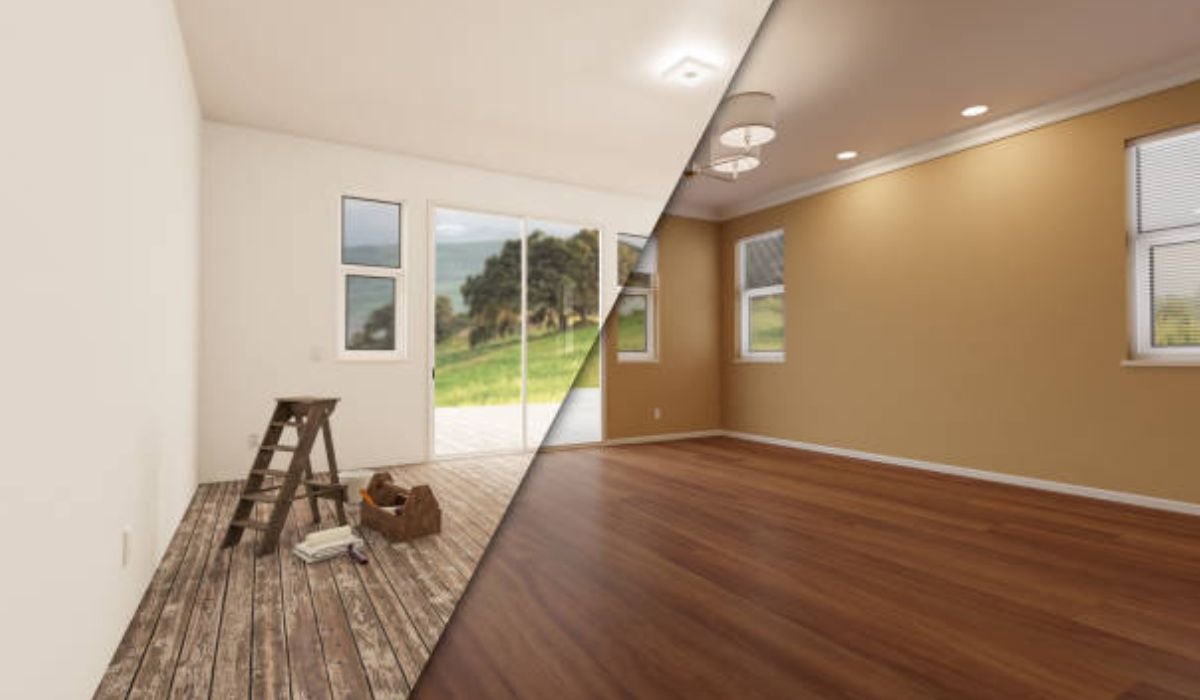
Home improvement has become an essential part of modern living. A home is not just a physical structure made of walls and a roof; it is a place where comfort, safety, and personal identity come together. Over time, every home requires changes—whether to repair damage, update outdated designs, or improve overall functionality. Home improvement focuses on enhancing the quality, appearance, and value of a living space, making it more suitable for the people who live there.
In recent years, home improvement has gained even more importance as people spend more time at home for work, relaxation, and family life. From small decorative upgrades to major renovations, improving your home can have a powerful impact on daily life. This article discusses the meaning of home improvement, its benefits, popular ideas, planning strategies, and how even simple changes can make a big difference.
Home improvement refers to the process of renovating, remodeling, repairing, or upgrading a residential property. It can include interior improvements such as painting, flooring, kitchen upgrades, and bathroom remodeling, as well as exterior improvements like roofing, landscaping, and exterior painting.
Unlike basic maintenance, which focuses on keeping a home functional, home improvement aims to enhance the home’s appearance, comfort, efficiency, and market value. It allows homeowners to adapt their living spaces to changing needs, lifestyles, and personal tastes.
One of the main reasons people invest in home improvement is to make their homes more comfortable. Upgrading insulation, improving ventilation, or redesigning living spaces can significantly improve daily comfort. Functional layouts, modern kitchens, and updated bathrooms make everyday tasks easier and more enjoyable.
Home improvement projects often increase the market value of a house. Renovated kitchens, modern bathrooms, energy-efficient windows, and attractive outdoor spaces are appealing to potential buyers. Even small upgrades, such as fresh paint or improved lighting, can make a home more attractive in the real estate market.
Modern home improvement focuses heavily on energy efficie ncy. Installing solar panels, energy-efficient appliances, better insulation, and LED lighting helps reduce energy consumption. This not only lowers utility bills but also contributes to environmental sustainability.
A well-designed home reflects the personality and lifestyle of its occupants. Home improvement allows homeowners to customize their living spaces, creating an environment that feels personal, welcoming, and inspiring. This sense of pride and satisfaction plays a major role in overall well-being.
1. Kitchen Renovation
The kitchen is often considered the heart of the home. Popular improvements include installing modern cabinets, upgrading countertops, adding smart appliances, and improving lighting. A functional and stylish kitchen enhances both daily use and resale value.
2. Bathroom Remodeling
Bathroom improvements can range from simple fixture replacements to complete redesigns. Modern bathrooms often feature walk-in showers, stylish tiles, energy-efficient fixtures, and improved storage solutions.
3. Painting and Wall Treatments
A fresh coat of paint is one of the most affordable and effective home improvement options. Neutral colors create a calm atmosphere, while accent walls add character. Wallpaper and textured finishes are also popular choices.
4. Flooring Upgrades
Replacing old flooring with hardwood, laminate, vinyl, or tiles can dramatically change the look of a home. Durable and easy-to-maintain flooring materials are especially popular in modern homes.
1. Landscaping and Outdoor Spaces
Improving the outdoor area adds beauty and functionality to a home. Gardens, patios, decks, and outdoor seating areas create spaces for relaxation and social gatherings.
2. Roofing and Siding Improvements
Upgrading roofing and exterior siding improves both appearance and protection. Modern materials offer better durability, weather resistance, and energy efficiency.
3. Exterior Painting
A fresh exterior paint job enhances curb appeal and protects the home from weather damage. Choosing the right colors can make a house look modern and inviting.
Technology has become an important part of home improvement. Smart home systems improve convenience, security, and efficiency.
- Smart Lighting: Allows control of lights through mobile apps or voice commands.
- Smart Thermostats: Automatically adjust temperature for comfort and energy savings.
- Home Security Systems: Smart cameras, alarms, and door locks enhance safety.
- Smart Appliances: Improve efficiency and simplify daily tasks.
These upgrades not only make life easier but also increase the overall value of the home.
Proper planning is essential for successful home improvement. Without a clear plan, projects can become expensive and stressful.
Decide what you want to achieve. Are you improving comfort, increasing value, or modernizing the design? Clear goals help guide decisions.
Determine how much you can afford to spend. Include costs for materials, labor, and unexpected expenses. A realistic budget prevents financial strain.
Not all improvements need to be done at once. Prioritize essential repairs and high-impact upgrades before moving on to decorative changes.
Using high-quality materials ensures durability and long-term satisfaction. While cheaper options may save money initially, they often require frequent replacement.
Some projects, such as electrical work or structural changes, require professional expertise. Hiring qualified contractors ensures safety and quality results.
Home improvement does not always require large renovations. Small changes can have a significant impact.
- Replacing old light fixtures
- Updating cabinet handles
- Adding indoor plants
- Improving storage solutions
- Upgrading curtains and blinds
These minor improvements are affordable and can instantly refresh a home’s appearance.
While home improvement offers many benefits, it also comes with challenges.
- Budget Overruns: Unexpected costs can arise during renovations.
- Time Management: Projects may take longer than planned.
- Design Decisions: Choosing the right materials and styles can be overwhelming.
- Disruption: Renovations may temporarily disturb daily routines.
Proper planning and flexibility can help overcome these challenges.
A well-improved home has a positive impact on mental and emotional health. Clean, organized, and aesthetically pleasing spaces reduce stress and promote relaxation. Natural lighting, proper ventilation, and comfortable furniture contribute to a healthier living environment.
Home improvement also supports family bonding by creating spaces for shared activities such as cooking, relaxing, and entertaining guests.
Home improvement trends continue to evolve with changing lifestyles and technology. Sustainable materials, eco-friendly designs, and energy-efficient solutions are becoming more popular. Minimalist designs, multifunctional spaces, and smart home integrations are shaping the future of residential living.
As remote work becomes more common, home offices and flexible workspaces are also gaining importance in home improvement planning.
Home improvement is a valuable investment that enhances comfort, functionality, and property value. Whether through major renovations or small upgrades, improving a home creates a better living environment for individuals and families. With proper planning, realistic budgeting, and thoughtful design choices, home improvement projects can transform any house into a welcoming and efficient home.
By focusing on quality, sustainability, and personal needs, homeowners can enjoy long-term benefits and satisfaction. Ultimately, home improvement is not just about changing a space—it is about improving the quality of life within it.