 By Siam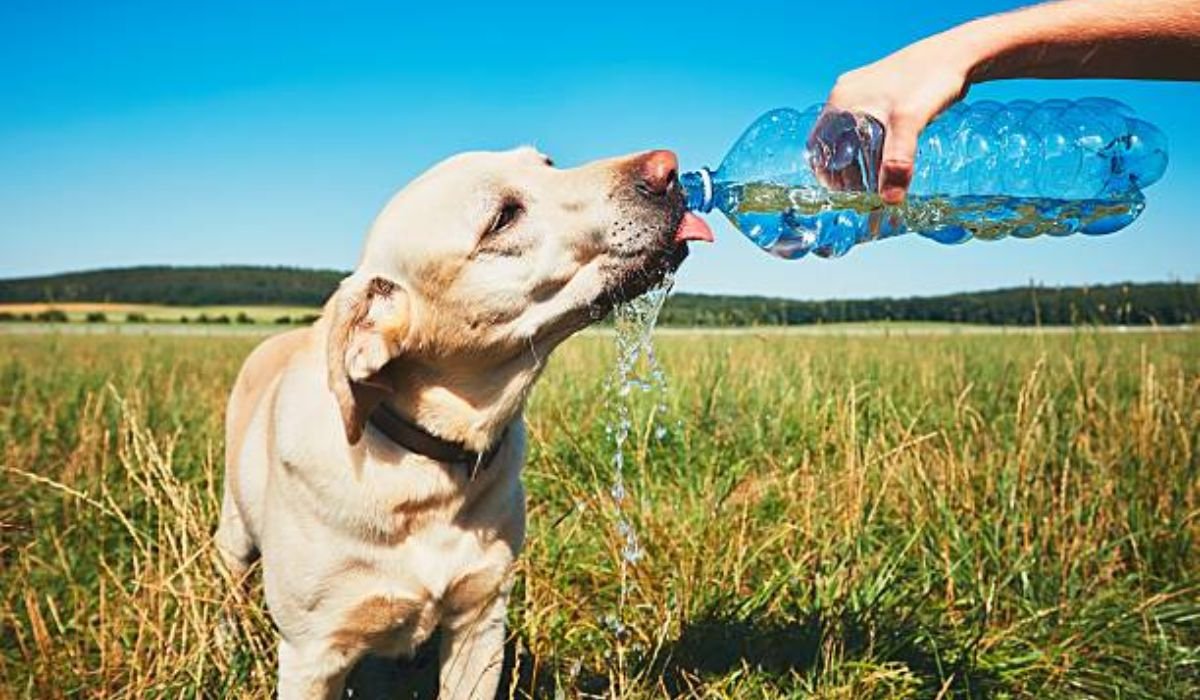
Animals are an essential part of life on Earth. From domestic pets to wild creatures, animals contribute to the balance of nature and enrich human lives in countless ways. However, in today’s world, many animals depend heavily on humans for their survival. Due to urbanization, deforestation, climate change, and human activities, animals increasingly rely on people for food, shelter, safety, and medical care. Understanding how animals depend on humans helps us recognize our responsibility toward them and encourages us to treat them with kindness and respect.
The relationship between humans and animals has existed for thousands of years. Early humans depended on animals for food, clothing, and transportation, while animals relied on humans for protection and care. Over time, this relationship evolved into one of mutual dependence. Today, humans have significant control over the environments in which animals live, making animals more dependent on us than ever before. Whether it is a pet living in a home or a wild animal affected by habitat loss, human actions directly influence animal survival.
Domestic animals are the most obvious example of animals depending on humans. Pets such as dogs, cats, birds, and rabbits rely entirely on humans for their daily needs. They depend on humans for food, clean water, shelter, grooming, and healthcare. Without human care, most domestic animals would struggle to survive.
Farm animals such as cows, goats, sheep, and chickens also depend on humans. They rely on farmers for food, shelter, breeding, and protection from predators and diseases. In return, humans benefit from animal products such as milk, eggs, meat, and wool. This mutual dependence requires humans to treat farm animals ethically and ensure their well-being.
Many animals depend on humans for food, especially in urban and semi-urban areas. Stray animals often survive on food provided by people. Birds depend on bird feeders during harsh winters when natural food sources are scarce. Zoo animals also rely entirely on humans for their nutrition, as they cannot hunt or forage on their own in captivity.
In the wild, human activities have reduced natural food sources for many animals. Deforestation and pollution destroy ecosystems, forcing animals to rely on humans for survival. In such cases, wildlife rescue centers and conservation programs play a crucial role in feeding and rehabilitating animals.
Animals depend on humans for shelter in many ways. Domestic animals live in homes, farms, and shelters built by humans. Stray animals often rely on human-made structures for protection from harsh weather conditions.
Wild animals also depend on humans for habitat protection. Forests, oceans, wetlands, and grasslands are being destroyed at an alarming rate due to human activities. Conservation efforts led by humans, such as wildlife sanctuaries, national parks, and protected reserves, help provide safe habitats for animals. Without these efforts, many species would face extinction.
Animals depend on humans for medical care, especially domestic and captive animals. Pets rely on veterinarians for vaccinations, treatment of injuries, and prevention of diseases. Farm animals depend on regular health checkups to prevent the spread of illness.
Wild animals also benefit from human medical intervention. Wildlife veterinarians and rescue organizations treat injured animals affected by accidents, natural disasters, or illegal activities such as poaching. Humans play a vital role in protecting animals from diseases, injuries, and extinction.
Although wild animals are naturally independent, many now depend on humans due to environmental changes caused by human activities. Climate change, pollution, hunting, and deforestation have disrupted natural ecosystems. As a result, animals depend on humans to protect their habitats and ensure their survival.
Conservation programs, anti-poaching laws, and wildlife protection acts are examples of how humans help wild animals. By creating awareness and supporting conservation efforts, humans can reduce harm and help restore natural balance.
Animals kept in zoos and sanctuaries depend completely on humans. They rely on caretakers for food, shelter, enrichment, and medical care. While some zoos aim to protect endangered species and educate the public, it is essential that animals are treated humanely and live in environments that meet their physical and emotional needs.
Sanctuaries provide a safe home for rescued animals that cannot survive in the wild. These facilities highlight how human compassion can give animals a second chance at life.
When humans fail to care for animals properly, the consequences can be severe. Neglect, abuse, and exploitation cause suffering and death for millions of animals every year. Abandoned pets, illegal wildlife trade, and animal testing are examples of how animals suffer due to human actions.
This shows that animals depend on humans not only for care but also for protection from harm. Laws and organizations that promote animal welfare are essential to prevent cruelty and ensure animals are treated with dignity.
Humans can help animals in many simple and effective ways. Adopting pets instead of buying them reduces the number of stray animals. Providing food and water to stray animals helps them survive. Supporting animal welfare organizations and conservation programs contributes to the protection of endangered species.
Reducing pollution, conserving natural resources, and protecting forests and oceans also benefit animals. Educating others about animal rights and responsible behavior encourages a more compassionate society.
Animals depend on humans not only physically but also morally. As intelligent beings with the power to shape the world, humans have an ethical responsibility to care for animals. Animals cannot speak for themselves, so humans must act as their guardians.
Treating animals with kindness, respect, and empathy reflects the values of a humane society. When humans protect animals, they protect the planet and ensure a better future for all living beings.
Animals depend on humans in many ways, from food and shelter to protection and medical care. Domestic animals rely entirely on human care, while wild animals increasingly depend on humans due to environmental changes. This dependence places a great responsibility on humans to act with compassion and awareness.
By protecting habitats, supporting animal welfare, and treating animals with respect, humans can ensure that animals live healthy and safe lives. The bond between humans and animals is built on mutual dependence, and caring for animals ultimately benefits both nature and humanity. A world where animals are protected and respected is a world where life thrives in harmony.