 By Siam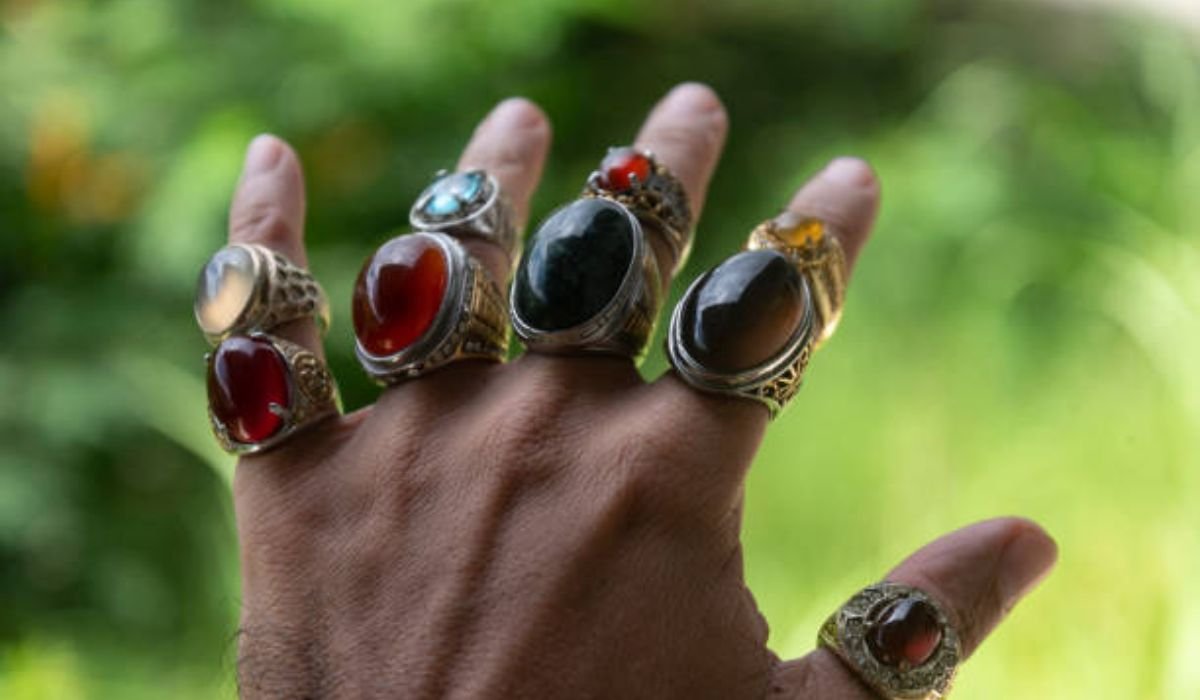
Finger rings are among the most ancient and universally recognized accessories. From personal adornment to social symbolism, rings have carried meanings that transcend fashion. Today, they are celebrated for their beauty, craftsmanship, and significance in personal and cultural contexts. This article delves into the history, styles, materials, and cultural importance of finger rings, guiding readers on understanding and choosing the perfect piece.
The history of finger rings stretches back thousands of years. Archaeological findings suggest that rings were worn as early as 3000 BCE in ancient Mesopotamia. Initially, rings were crafted from simple materials like bone, ivory, and wood before evolving into more sophisticated metals and gemstones.
- Egypt: Rings often signified social status, power, or religious beliefs. The ancient Egyptians were known for their intricate gold rings, frequently engraved with hieroglyphics and symbols representing protection and eternity. The iconic signet rings were often used to stamp seals on documents, a practice that continued for centuries.
- Rome and Greece: Rings became symbols of wealth and authority. Roman rings often carried engraved stones called intaglios, which depicted gods, emperors, or personal insignias. In Greece, rings were used as tokens of love and loyalty, often exchanged in matrimonial ceremonies.
- China and India: Rings in these cultures had spiritual and protective meanings. In India, rings featuring gemstones were believed to influence astrological outcomes, a practice rooted in Vedic astrology.
Throughout history, rings have represented not only aesthetic beauty but also personal identity, status, and cultural values.
Finger rings have played a significant role in culture and society. Across civilizations, they have symbolized love, commitment, authority, and spirituality.
- Wedding and Engagement Rings: Perhaps the most universally recognized symbolism of rings, they represent eternal love and commitment. The circular shape signifies infinity, with no beginning or end. Different cultures have unique traditions regarding ring placement—left-hand vs. right-hand rings, gold vs. silver bands, and more.
- Signet Rings: Traditionally worn by nobility or high-ranking officials, signet rings serve as personal identifiers. Historically, they were pressed into wax seals on documents to authenticate signatures.
- Class and Fraternity Rings: Educational institutions and professional organizations often use rings as emblems of achievement and belonging.
- Spiritual and Mystical Rings: Rings often carry religious or mystical meanings. For example, in Christianity, rings may symbolize devotion, while in Eastern philosophies, gemstones in rings are believed to channel energy and protect the wearer.
Rings have also been used to communicate social hierarchy and personal identity. In medieval Europe, rings indicated noble status, while in contemporary society, they are widely used as fashion statements and personal expressions.
Finger rings come in a vast array of types, styles, and designs, each with its own significance and purpose. Here’s a breakdown of the most common categories:
- Engagement Rings: Typically feature a central gemstone, often a diamond, to symbolize love and commitment.
- Wedding Bands: Usually simpler bands exchanged during wedding ceremonies to signify marital bonds.
These rings are worn primarily for style and self-expression. They can feature intricate designs, gemstones, or innovative materials and are often worn in multiple fingers for aesthetic appeal.
Characterized by large, colorful gemstones, cocktail rings are statement pieces meant to attract attention. They became popular during the 1920s and remain a fashionable accessory for formal events.
Traditionally used to represent family heritage or personal identity, signet rings are engraved with initials, crests, or symbols. They were historically used as personal seals.
These rings incorporate gemstones corresponding to the wearer’s birth month, often believed to bring good luck, protection, or positive energy.
Popularized in the 1970s, mood rings change color based on the wearer’s temperature, supposedly reflecting emotional states.
These are slim, versatile rings designed to be worn together on one finger. Stackable rings allow personalization and creativity in style.
The material and craftsmanship of a ring largely determine its value, durability, and aesthetic appeal. Rings can be made from metals, gemstones, and even unconventional materials.
- Gold: The most traditional choice, available in yellow, white, and rose gold varieties. Gold is durable, resistant to tarnish, and highly malleable for intricate designs.
- Silver: Popular for its affordability and elegance, silver can be polished to a bright finish or oxidized for antique styles.
- Platinum: A premium metal known for its durability and natural white sheen. Platinum rings are hypoallergenic and ideal for long-term wear.
- Titanium and Tungsten: Modern metals known for strength and scratch resistance, often used in men’s fashion rings.
- Diamonds: Known for brilliance and hardness, diamonds symbolize eternal love and strength.
- Rubies, Sapphires, and Emeralds: Precious gemstones with historical and cultural significance.
- Semi-Precious Stones: Amethyst, topaz, garnet, and others add color and affordability to rings.
- Synthetic and Lab-Created Stones: Modern alternatives that offer sustainability and cost-effectiveness.
- Casting: Molten metal is poured into molds to form ring shapes.
- Engraving: Personalizes rings with names, dates, or symbols.
- Stone Setting: Techniques like prong, bezel, or pavé setting secure gemstones in the design.
- Filigree and Inlay: Decorative techniques that add intricate patterns and textures.
Selecting a finger ring involves more than just aesthetic appeal. Consider the following factors:
Decide whether the ring is for fashion, engagement, spiritual reasons, or personal symbolism. This will influence material, design, and size choices.
Consider durability, comfort, and maintenance. For example, platinum is durable but heavier, while gold is classic but soft.
Proper sizing ensures comfort and longevity. Measure fingers accurately, considering factors like temperature and daily activities that may cause swelling.
Select a style that reflects personality and lifestyle. Classic designs suit formal occasions, while bold or unique styles express individuality.
Rings range from affordable fashion pieces to high-value luxury items. Determine a budget that balances aesthetics and investment value.
Some rings carry cultural or spiritual meanings. Ensure your choice aligns with personal beliefs and traditions.
In contemporary fashion, rings are not just accessories—they are statements. Celebrities, influencers, and designers often popularize unique styles, from oversized statement rings to minimalist bands. Stackable rings and mix-and-match designs are especially trendy, allowing individuals to create personalized looks.
While historically less common, men’s rings have grown in popularity. Wedding bands, signet rings, and fashion rings with bold metals or gemstones are now mainstream choices.
Women’s rings often feature more intricate designs and a broader variety of gemstones. Trendy options include midi rings, stackable rings, and rings with unconventional materials like resin or ceramic.
As awareness grows about ethical sourcing, many consumers prefer rings made with recycled metals and lab-grown gemstones. This movement combines fashion with responsibility, reflecting modern values.
Proper care ensures that rings retain their beauty and value over time.
- Cleaning: Use mild soap, warm water, and a soft brush for regular cleaning. Avoid harsh chemicals that can damage metals or stones.
- Storage: Store rings separately to prevent scratching and tangling. Soft cloth pouches or padded jewelry boxes are ideal.
- Inspections: Periodically check settings and clasps, especially for gemstone rings, to prevent loss or damage.
- Avoid Exposure: Remove rings during heavy labor, swimming in chlorinated water, or using harsh cleaning agents.
Finger rings are far more than decorative items—they are symbols of culture, tradition, identity, and personal style. From ancient civilizations to modern fashion trends, rings have maintained a timeless appeal. Whether chosen for symbolism, status, fashion, or sentiment, the right finger ring can convey elegance, personality, and meaning. Understanding the history, types, materials, and care involved allows anyone to select a ring that resonates with both style and significance.
Rings continue to be cherished across generations, proving that even in a fast-changing world, this small circle of metal or stone carries profound beauty, symbolism, and connection.
YOU MAY ALSO LIKE: Fashion: Evolution, Influence, and the Future of Style