 By Siam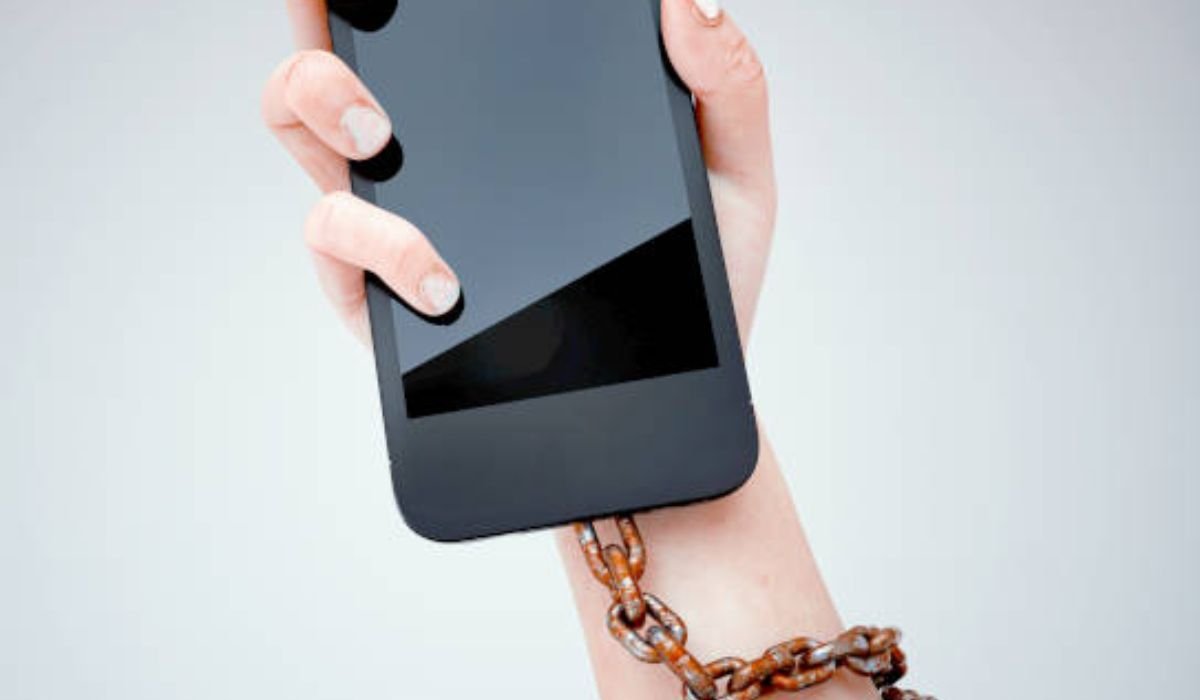
In the modern digital era, mobile phones have become an essential part of everyday life. They help us communicate, access information, manage work, and entertain ourselves. While mobile phones offer countless benefits, excessive and uncontrolled use has led to a growing problem known as mobile phone dependence. This condition refers to the compulsive need to use a mobile phone, even when it interferes with daily activities, relationships, and mental well-being.
Mobile phone dependence is increasingly common among teenagers, young adults, and even children. Many people feel anxious when separated from their phones, constantly check notifications, or struggle to limit screen time. As technology continues to advance, understanding mobile phone dependence and its consequences has become more important than ever.
Mobile phone dependence is a behavioral condition where individuals feel an uncontrollable urge to use their phones frequently. Unlike simple enjoyment of technology, dependence involves psychological attachment and discomfort when phone use is restricted.
People suffering from mobile phone dependence may:
- Check their phone repeatedly without a clear purpose
- Feel restless or anxious when the phone is unavailable
- Prioritize phone use over social interactions or responsibilities
- Use their phone late at night, affecting sleep patterns
This dependence is closely related to behavioral addiction, although it does not involve substances. The instant gratification provided by social media, messaging apps, games, and notifications reinforces habitual phone use and makes it difficult to disconnect.
Smartphones are portable, affordable, and constantly connected to the internet. This easy access encourages frequent use, making it difficult to resist checking the phone repeatedly throughout the day.
Social media platforms are designed to capture attention. Likes, comments, and messages trigger dopamine release in the brain, creating a sense of pleasure. This reward system encourages users to stay connected and seek validation, increasing dependence.
FOMO is a major psychological factor behind mobile phone dependence. Many individuals feel anxious about missing updates, messages, or social events, leading to compulsive phone checking.
Mobile phones are often used as a coping mechanism to escape stress, loneliness, or boredom. Watching videos, scrolling through social media, or playing games provides temporary relief, but over time this habit can become addictive.
Online learning, remote work, and digital communication require frequent phone use. While necessary, this can blur the line between productive use and excessive dependence.
Excessive mobile phone use has been linked to anxiety, depression, and reduced self-esteem. Constant comparison on social media and information overload can negatively affect emotional well-being.
Using mobile phones before bedtime interferes with sleep quality. Blue light from screens suppresses melatonin production, making it harder to fall asleep and leading to fatigue and poor concentration.
Mobile phone dependence can reduce focus and productivity. Frequent distractions interrupt tasks, lower efficiency, and affect academic achievement and professional performance.
Ironically, while mobile phones connect people digitally, excessive use can weaken real-life relationships. Face-to-face communication may be neglected, leading to emotional distance and misunderstandings.
Prolonged phone use can cause physical issues such as eye strain, headaches, neck pain, and poor posture. Reduced physical activity may also contribute to obesity and related health problems.
ALSO LIKE: The World of Gaming: Evolution, Impact, and the Future of Interactive Entertainment
Young people are particularly vulnerable to mobile phone dependence. Teenagers and children are still developing self-control and emotional regulation, making them more susceptible to addictive behaviors.
Excessive phone use among youth can:
- Affect academic performance
- Reduce attention span
- Interfere with emotional development
- Increase exposure to cyberbullying and harmful content
Parents and educators play a crucial role in guiding young people toward healthy digital habits.
Mobile phone dependence has broader social implications. In public spaces, people often remain absorbed in their screens rather than interacting with others. Family gatherings, meals, and social events may be disrupted by constant phone checking.
Culturally, society has normalized excessive phone use, making it harder to recognize dependence as a problem. Addressing this issue requires collective awareness and responsible technology use.
Recognizing excessive phone use is the first step toward change. Tracking screen time and identifying usage patterns can help individuals understand their dependence.
Establishing phone-free times, such as during meals or before bedtime, encourages healthier habits. Turning off unnecessary notifications can also reduce distractions.
Taking regular breaks from mobile phones helps reset habits. Even short detox periods can improve focus, mood, and sleep quality.
Participating in sports, reading, hobbies, or social activities reduces reliance on phones and promotes mental well-being.
Parents should set clear rules for phone use and model healthy behavior. Educating children about responsible technology use fosters long-term balance.
In severe cases, counseling or therapy may be helpful. Mental health professionals can assist individuals in managing behavioral addiction and emotional triggers.
Technology companies also share responsibility in addressing mobile phone dependence. Designing ethical apps, promoting digital well-being tools, and encouraging mindful usage can help reduce excessive dependence.
Features such as screen time limits, focus modes, and usage reminders are positive steps toward healthier digital environments.
Mobile phone dependence is a growing concern in today’s technology-driven world. While mobile phones are powerful tools that enhance communication and productivity, excessive use can negatively affect mental health, relationships, and overall quality of life.
By understanding the causes and effects of mobile phone dependence, individuals can take proactive steps to develop healthier habits. Balanced phone use, combined with awareness and self-control, allows people to enjoy the benefits of technology without becoming controlled by it.
Creating a healthier relationship with mobile phones is essential for personal well-being and a more connected, mindful society.
YOU MAY ALSO LIKE: Business Apps: Revolutionizing the Way Modern Businesses Operate